RV Depreciation: What Causes Your RV to Lose Value and How to Slow It Down
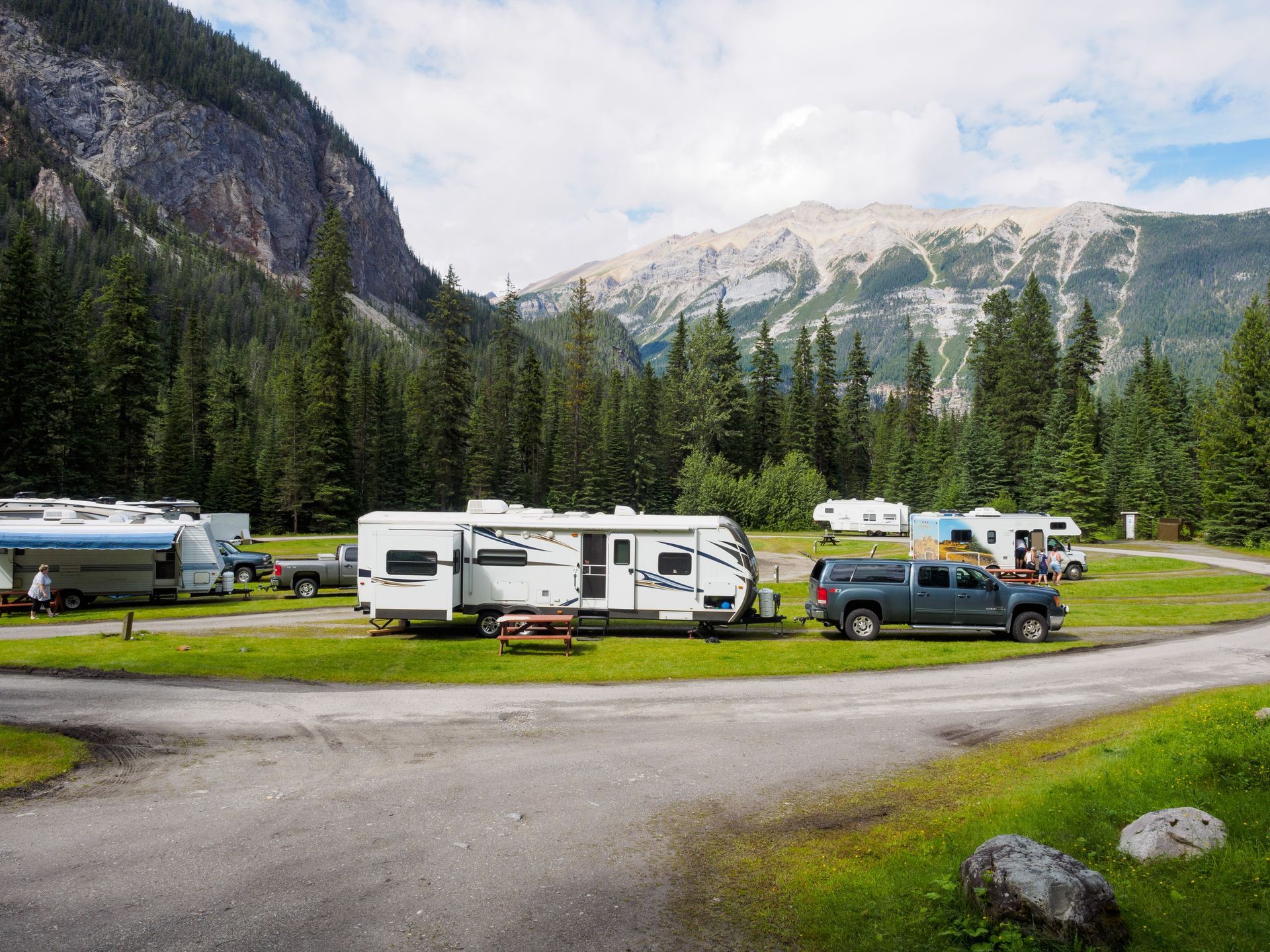
An RV gives you the freedom to travel without leaving the comforts of home behind, but it also represents a significant financial investment. Like most vehicles, recreational vehicles lose value as they age. Some depreciation is unavoidable, but how you maintain, use, and store your RV directly affects its condition and what a future buyer might be willing to pay.
For Idaho RV owners, the months between trips deserve as much attention as the time spent on the road. At United Storage, we offer covered RV parking at both of our Idaho locations. If you're comparing storage options in Idaho Falls or Mountain Home, understanding how storage affects an RV's long-term condition can help you make a more informed decision.
How Much Value Does an RV Lose Over Time?
RV depreciation is the gradual reduction in a recreational vehicle's market value. The biggest value changes usually happen in the early years of ownership, but the rate depends on the vehicle type, age, original purchase price, condition, mileage, and demand in the used RV market. Motorhomes and towable RVs don't necessarily depreciate at the same rate. Motorhomes have engines and drivetrains that require ongoing maintenance, while travel trailers and fifth wheels have different mechanical and structural considerations. Two RVs manufactured in the same year can have noticeably different resale values if one has a complete maintenance history and the other shows signs of water damage or neglected repairs.
There's no reliable depreciation percentage that applies to every RV. Online estimates can provide a starting point, but current listings for comparable models and a professional appraisal offer a more useful picture of what your particular vehicle may be worth. The important distinction is between depreciation caused by age and depreciation caused by condition. You can't stop your RV from getting older, but you can take practical steps to prevent avoidable deterioration.
What Causes an RV to Depreciate Faster?
Exterior damage from sun and moisture
An RV's exterior is exposed to sunlight and precipitation whenever it's parked outdoors. Over time, ultraviolet exposure can contribute to fading paint, deteriorating decals, and aging exterior plastics. Sealants around windows, vents, and roof openings also require attention as the vehicle gets older. Water intrusion is particularly concerning because the damage isn't always visible from outside. A deteriorated roof seal or poorly sealed window can allow moisture into wall cavities and flooring. By the time staining or soft spots appear inside the RV, repairs may be more extensive than replacing the original damaged seal.
Keeping the roof and exterior seals in good condition is one of the most important parts of protecting an RV's resale value. Buyers have good reason to inspect these areas carefully, since water damage can affect both the structure and the cost of future ownership.
Mechanical wear and neglected maintenance
For motorhomes, engine condition, transmission performance, mileage, and service history influence value. Skipping scheduled maintenance or allowing mechanical problems to remain unresolved can make an otherwise attractive RV harder to sell. Towable RVs have maintenance needs too. Wheel bearings, brakes, tires, suspension components, and electrical connections all deserve periodic inspection. Even when a trailer spends more time parked than traveling, these parts shouldn't be ignored.
Follow the maintenance schedule for your specific model and keep records of completed work. Receipts for inspections, repairs, and replacement parts give potential buyers useful evidence that the RV has been cared for throughout its ownership.
Interior deterioration
An RV's interior experiences wear differently from a typical home. Furniture, cabinets, flooring, and appliances must withstand movement during travel, while periods of inactivity create their own maintenance concerns. Moisture trapped inside can encourage mold and mildew, especially when an RV is stored with wet fabrics or inadequate ventilation. Rodents can damage insulation and wiring if they find a way into the vehicle. Unaddressed plumbing leaks can also damage cabinetry and flooring.
Before putting your RV away, clean the interior thoroughly, remove food, and inspect areas where moisture might collect. Small maintenance issues are much easier to address before they become visible damage that affects the vehicle's resale condition.
Does Covered RV Storage Help Slow Depreciation?
Covered RV storage in Idaho Falls is worth considering if your vehicle spends extended periods parked between trips. While covered parking doesn't prevent normal depreciation, reducing direct exposure to sunlight and precipitation can help preserve exterior components that would otherwise remain exposed outdoors. A permanent overhead structure provides a physical barrier above the RV. This reduces direct exposure to precipitation and overhead sunlight, particularly around the roof, vents, air-conditioning covers, and other roof-mounted equipment. Those are areas where deterioration can eventually lead to expensive repairs.
Covered parking isn't the same as an enclosed building. The sides generally remain open, so dust, wind, temperature changes, and some moisture exposure are still possible. Routine inspections and proper seasonal preparation remain necessary even when the RV is parked beneath a roof. We've explored these differences in more detail in our guide to covered versus uncovered RV storage, including the maintenance considerations that matter when an RV remains parked for several months.
Covered RV parking at our Idaho locations
At our Idaho Falls property at 1470 Sherry Drive, we offer covered parking spaces measuring 14x35 and 14x40 feet. The facility is located east of Lincoln Road and Yellowstone Highway, and our property includes wide drive aisles, coded gate entry, and digital video surveillance. Our Mountain Home location at 1145 Airbase Road offers 14x40-foot covered parking spaces. This property also provides wide drive aisles, gated entry, and an on-site dump bay. Both facilities have access hours from 5:00 a.m. to 10:00 p.m., seven days a week, so owners can plan inspections and maintenance visits around their schedules.
Before selecting a space, measure the RV's total length and height, including roof-mounted equipment and anything extending beyond the body. The listed parking dimensions are a starting point, but available vertical clearance and the vehicle's complete dimensions should be confirmed before renting.
Maintenance Habits That Help Preserve Your RV's Value
Inspect the roof and exterior seals regularly
Roof maintenance deserves particular attention because a relatively small opening can lead to extensive interior damage. Inspect sealant around roof vents, skylights, air-conditioning units, and other openings according to your RV manufacturer's recommendations. Look for cracking, separation, or deterioration in the sealant. Check window and door seals as well, especially after periods of storage. If repairs are necessary, use materials compatible with the RV's roof and exterior construction rather than assuming any general-purpose sealant will work.
An inspection before storage gives you a chance to address existing problems. Another inspection before your next trip helps identify anything that changed while the RV was parked.
Take care of the tires
RV tires can deteriorate even when the vehicle isn't accumulating mileage. Age, prolonged exposure, incorrect inflation, and extended periods of inactivity all affect tire condition. Before storage, check tire pressure against the manufacturer's specifications and inspect the sidewalls for cracking or other visible damage. If the RV will remain parked for an extended period, consult the tire and RV manufacturers' guidance about long-term parking and weight distribution.
Don't judge tire condition by tread depth alone. An RV with relatively few miles can still have tires that require replacement because of age or deterioration.
Protect the battery and electrical system
An RV battery can lose charge while the vehicle sits unused, particularly if onboard equipment continues drawing power. Allowing certain batteries to remain deeply discharged can shorten their useful life. Follow the battery manufacturer's storage instructions, including the appropriate charging or disconnection procedure. Battery chemistry matters, so a maintenance routine suitable for a traditional lead-acid battery might not be appropriate for a lithium battery.
Before leaving the RV in storage, check which systems remain connected and whether they create a continuous electrical draw. A battery maintenance plan should account for the length of storage and the equipment installed in your vehicle.
Keep the interior dry and clean
Remove perishable food, empty trash, and clean food preparation areas before storing your RV. Check cabinets and compartments for moisture, and make sure fabrics and other interior materials are dry before closing the vehicle. Inspect plumbing connections and areas around windows for evidence of leaks. If you discover damp materials, address the source of moisture rather than simply closing the RV and waiting until the next trip.
A clean interior also makes periodic inspections easier. Changes such as staining, unusual odors, or evidence of pests are more noticeable when the vehicle was properly prepared before storage. For a more detailed explanation of how vehicle condition influences resale prices, this RV depreciation overview explains the relationship between age, mileage, maintenance, and market value.
Preparing Your RV for Long-Term Storage in Idaho
Winterize the plumbing before freezing conditions
Proper winterization is essential when an RV will remain unused during freezing conditions. Water left inside plumbing lines, pumps, or other components can freeze and expand, potentially damaging the system. Follow the winterization procedure in your owner's manual, including the manufacturer's instructions for draining water systems and using RV-compatible antifreeze where required. Water heaters, holding tanks, and other plumbing components may need separate attention depending on the vehicle's design.
Covered parking protects the RV from direct overhead precipitation, but it doesn't maintain a heated environment. Winterization is still necessary when freezing temperatures are possible, regardless of whether the vehicle is parked beneath a canopy.
Establish an inspection schedule
Long-term storage shouldn't mean leaving an RV completely unattended until the next camping season. Periodic visits give you an opportunity to identify developing problems before they cause extensive damage. During each inspection, check the tires, look for signs of leaks, examine accessible seals, and inspect the interior for moisture or pest activity. Battery condition and any equipment requiring periodic maintenance should also be part of the routine.
Tire pressure deserves particular attention. We recommend checking inflation at least monthly during storage, along with inspections before returning the vehicle to service. Always follow the guidance applicable to your RV's tires and loading requirements.
Keep your RV ready for its next trip
Before returning an RV to regular use, inspect the tires, brakes, lights, and other safety-related components. Reconnect and test the electrical system according to the manufacturer's instructions, and properly recommission any plumbing that was winterized. For motorhomes, complete any scheduled engine or drivetrain maintenance before departure. Travel trailers and fifth wheels need their towing connections, brakes, and running gear checked as well.
Our guide to RV, boat, and seasonal storage in Idaho discusses additional considerations for keeping recreational equipment organized and protected between outings.
Can Good Storage Actually Improve an RV's Resale Value?
Proper storage doesn't reverse depreciation or guarantee a higher selling price. What it does is reduce certain risks that can make an RV less attractive to future buyers, particularly preventable exterior deterioration and damage caused by neglected maintenance. A buyer evaluating a used RV will consider its overall condition, maintenance history, and evidence of previous problems. Water staining, damaged seals, deteriorated tires, or malfunctioning equipment can raise concerns about the cost of repairs.
Maintaining records is useful here. Keep receipts for professional servicing, document major repairs, and record the dates of inspections or component replacements. A clear maintenance history gives a prospective buyer more information about the RV's condition than appearance alone. The value of preventive care also extends beyond resale. Avoiding a major water intrusion problem or discovering a damaged tire before a trip can reduce ownership expenses, even if the RV's market value continues to decline with age.
Protect Your RV's Condition Between Trips
RV depreciation is part of ownership, but avoidable damage doesn't have to be. Regular maintenance, careful winterization, and appropriate parking conditions all play a role in preserving the condition of your recreational vehicle. At United Storage, our covered parking spaces provide an option for owners who want to reduce direct overhead exposure while their RVs are parked. Our Idaho Falls property offers 14x35 and 14x40 spaces, while our Mountain Home location offers 14x40 covered parking. Both locations have gated access and daily facility access hours from 5:00 a.m. to 10:00 p.m.
If you're planning where to keep your RV between trips, you can
explore
storage options from United Storage to review each property's parking dimensions and access information. Confirming the fit before renting is one practical step toward keeping your RV properly stored and ready for future use.