Covered vs. Uncovered RV Storage: What Makes Sense for Your RV?
An RV takes up a lot of room at home, especially when it spends weeks or months parked between trips. Moving it to a dedicated parking space solves that problem, but there’s another decision to make first: covered or uncovered parking? The difference matters most when you consider how long the RV will sit and how much exposure you’re comfortable with.
For Idaho RV owners who prefer overhead protection, we offer covered parking at both of our locations. You can review storage options in Idaho Falls or in Mountain Home to see the parking options and property details for each site. Before choosing a space, it helps to understand what covered RV storage changes and what uncovered parking still does well.
What Is Covered RV Storage?
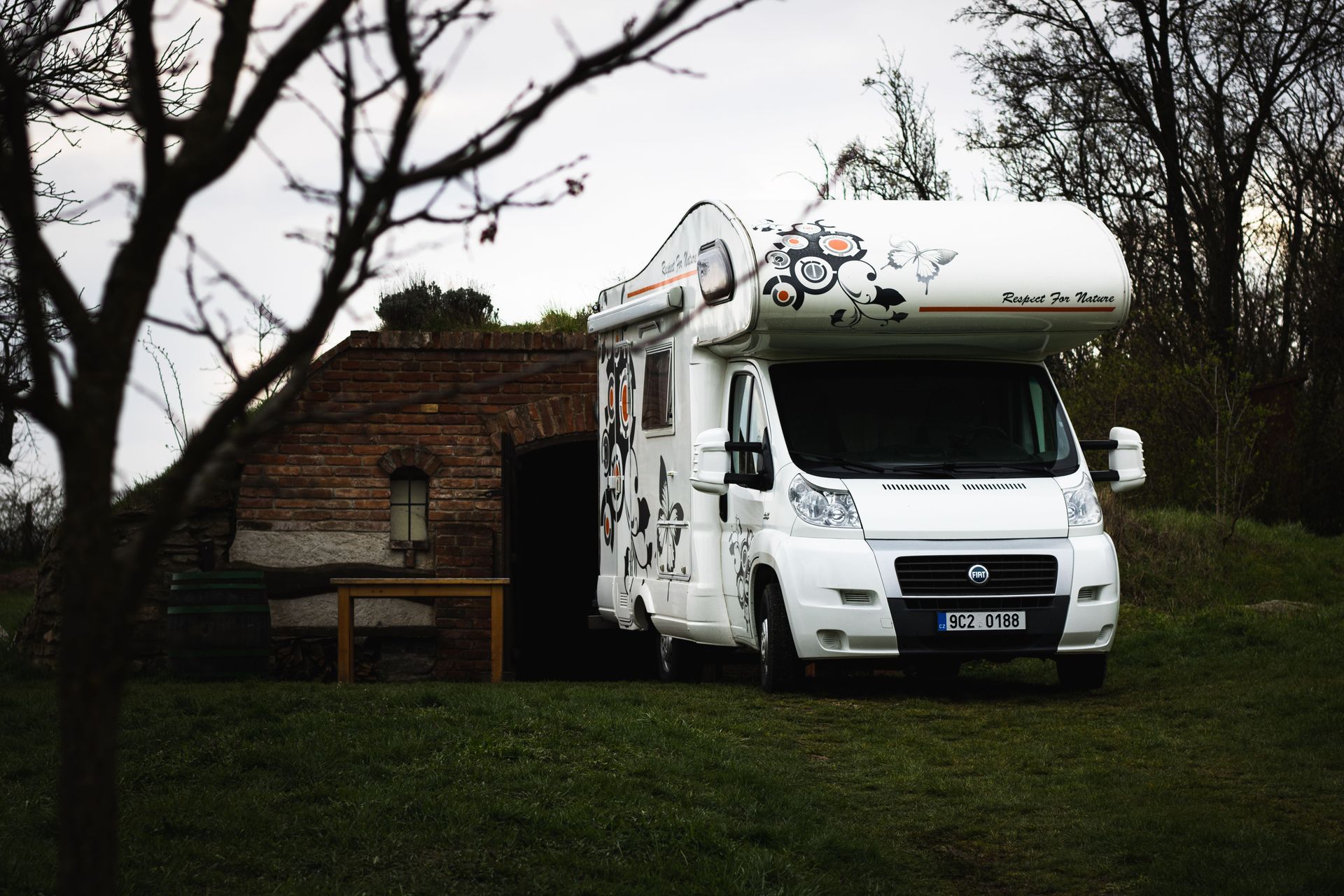
Covered RV storage is an outdoor parking space with a permanent roof or canopy over the vehicle. The sides usually remain open, so it isn’t the same as storing an RV inside a fully enclosed building. Its main advantage is straightforward: the roof reduces direct exposure to sun and precipitation while the RV is parked.
At our Idaho Falls facility, covered parking spaces are available in 14x35 and 14x40 sizes for RVs, boats, and other recreational vehicles. Our Mountain Home property offers 14x40 covered spaces for RVs, boats, cars, and trailers. Because RV dimensions vary considerably, owners should check the complete length and height of their vehicle before selecting a space rather than relying only on the RV’s model category.
What Is Uncovered RV Storage?
Uncovered RV storage is a designated outdoor parking space without a permanent structure overhead. You still get a dedicated place for the vehicle, but the RV remains directly exposed to sunlight, rain, snow, windblown debris, and other outdoor conditions. That makes preparation more important, particularly if the RV will remain parked for an extended period.
Uncovered parking can make sense when the priority is simply getting a large recreational vehicle out of the driveway or when an owner is comfortable handling weather protection separately. A suitable RV cover and regular inspections become more important in that setup. The cover needs to fit correctly and remain secure without trapping moisture against the vehicle.
Covered RV Storage vs Uncovered Parking
The biggest difference between covered RV storage vs uncovered parking is the amount of exposure the vehicle receives. Both give the RV a dedicated place away from home, but overhead coverage adds a physical barrier between the vehicle and direct sun and precipitation. That protection matters because an RV has more exposed components than its body panels. Roof sealants, vents, air-conditioning covers, window seals, awnings, exterior plastics, and tires all remain outdoors while the vehicle is parked. A roof doesn't eliminate the need to inspect those parts, but it reduces the amount of direct exposure they receive.
Uncovered parking puts more of the protection work on the owner. That doesn't automatically make it the wrong choice. If you use your RV frequently, inspect it regularly, and have a suitable cover when needed, uncovered parking can be a practical arrangement. For a vehicle that will sit for longer stretches, the extra overhead protection of a covered space may be worth prioritizing.
Covered Parking Still Requires RV Preparation
A covered space shouldn't be treated like indoor storage. Wind, dust, changing temperatures, and moisture can still reach the vehicle from the open sides. Before parking an RV for an extended period, clean the exterior and let it dry thoroughly, remove food and trash from the interior, and check the tires and battery. Water systems also deserve attention when an RV will sit through colder conditions. Follow the winterization procedure specified for your RV rather than assuming overhead coverage protects plumbing from freezing. Roof protection and winterization solve different problems, so one doesn't replace the other.
Check seals, compartments, vents, and the roof before storage as well. Starting with a known leak or damaged seal can turn a minor maintenance issue into a larger one while the RV sits. The goal is to park a clean, dry, properly prepared vehicle rather than rely on the parking structure to compensate for maintenance that was already due.
Think About How Long the RV Will Be Parked
Storage duration should be part of the covered versus uncovered decision. An RV parked briefly between frequent trips has a different exposure pattern from one that will remain in place through an entire off-season. The longer the vehicle sits, the more useful it becomes to reduce direct exposure and keep up with periodic inspections.
You also don't necessarily need to know exactly how long the RV will remain stored before renting. We offer flexible month-to-month lease options, so customers can store short- or long-term rather than committing to a fixed multi-month period. Our guide to how long you can rent a storage unit explains that rental structure in more detail.
Measure Before Choosing a Covered Space
A covered space needs to accommodate more than the RV's basic body length. Measure the vehicle as it will actually be stored, accounting for anything that extends its overall dimensions. Manufacturer specifications are useful, but measuring the RV yourself gives you a better picture of its storage footprint. Height deserves particular attention with covered parking. Roof-mounted equipment can extend above the main roofline, so the RV's full clearance matters when determining whether a particular space is suitable. Confirming dimensions before arrival is much easier than discovering a clearance or length problem while maneuvering the vehicle into its space.
Our Idaho Falls covered spaces are 14x35 and 14x40, while Mountain Home has 14x40 covered spaces. Both properties also have wide drive aisles among their features, which is relevant when you're maneuvering a larger recreational vehicle rather than unloading ordinary household items.
Plan for Access Between Trips
RV storage doesn't always mean parking the vehicle once and leaving it untouched until the next season. You might need to inspect the tires, check the interior, retrieve equipment, or prepare the RV before an upcoming trip. Facility access hours therefore matter along with the type of parking space.
Our Idaho Falls and Mountain Home facilities list access hours from 5:00 a.m. to 10:00 p.m., Monday through Sunday. Idaho Falls is on Sherry Drive, east of Lincoln Road and Yellowstone Highway, while our Mountain Home property is on Airbase Road and can be reached via I-84 and Highway 67. Those road references are useful when considering which location fits the routes you already use with your RV.
Check the Paperwork Before Bringing Your RV
Vehicle storage has different requirements from renting a standard unit for household belongings. Our FAQ states that RV and trailer registration must match the tenant and that the stored vehicle must be running and insured. Also, remember that current registration, current insurance in the leaseholder's name, government-issued identification, and three photos of the stored vehicle are among the documentation required for vehicle and boat storage.
Keeping registration current matters outside the facility as well. The Idaho Transportation Department's recreational vehicle registration information explains the state's registration requirements for motor homes, camp trailers, tent trailers, fifth wheels, and other recreational vehicles. Checking both state requirements and facility requirements before storage avoids having paperwork become a last-minute issue.
Choosing Between Covered and Uncovered RV Storage
Start with how much protection you want while the RV isn't being used. Uncovered parking provides a dedicated outdoor place for the vehicle, but direct exposure remains part of the arrangement. Covered parking adds overhead protection from direct sun and precipitation while keeping the RV in an outdoor parking environment.
Then consider the RV itself. Its length and height, how long it will remain parked, how frequently you'll access it, and how you plan to protect it between trips all affect the decision. Covered parking doesn't remove routine maintenance from the equation, and uncovered parking doesn't mean an RV can't be stored successfully. They simply put different demands on the owner.
Find the Right Parking Setup for Your RV
A good RV storage plan starts before you pull into the parking space. Measure the vehicle, complete any seasonal maintenance it needs, confirm your paperwork, and decide how much outdoor exposure you're comfortable managing. Those details give you a much clearer basis for comparing covered and uncovered parking.
If overhead protection fits your plans, we offer covered vehicle parking at both Idaho locations. Explore
storage options in Idaho Falls or Mountain Home to compare verified parking sizes, access information, and other details for each property.